
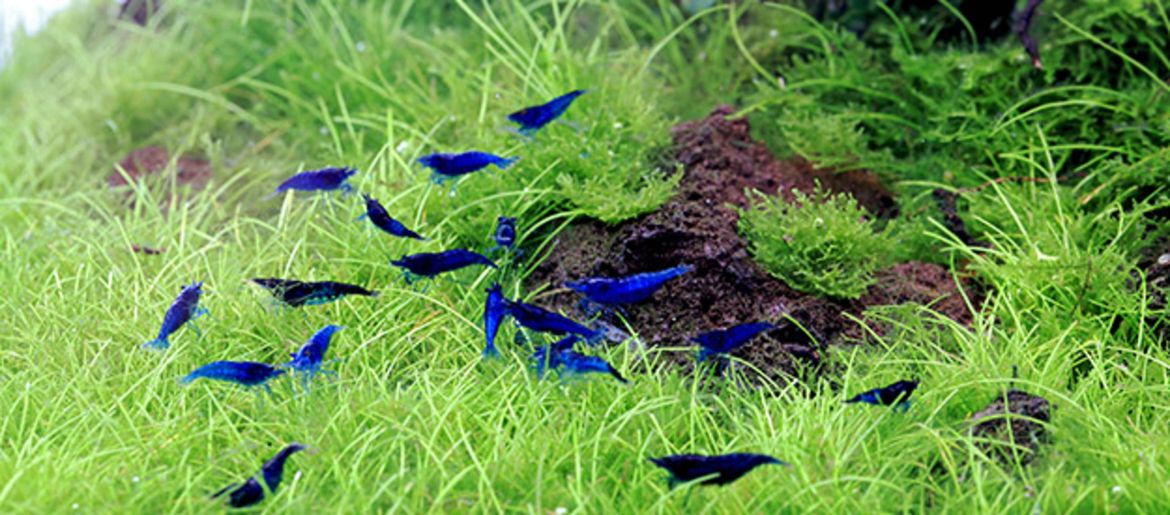
Feeding Shrimp Correctly
How to feed your shrimp properly
The most unusual feeding tips for dwarf shrimp in aquariums circulate widely, with suggestions ranging from spaghetti to bananas. In other words, foods that would almost certainly never find their way into the streams of their natural habitats. If proper feeding is the goal, it is worth taking a closer look at what shrimp actually eat in the wild. It quickly becomes clear that shrimp are not particularly fussy when it comes to making use of leftovers and will consume almost anything they come across, but the variety available to them is limited.
In their natural streams, dwarf shrimp primarily feed on leaves that fall from surrounding trees and settle in the water. Aquatic plants and plant debris are also part of their diet. While fruit may occasionally enter the water, this is rare, as streams do not typically run through orchards.
From time to time, shrimp may also consume insect larvae, water snails or even the occasional dead animal that has fallen into the water. However, these are rare occurrences and do not form a significant part of their diet. Alongside leaf litter, shrimp in these generally clean environments mainly graze on the growth that forms on surfaces. These biofilms consist of bacteria, which are excellent sources of protein, as well as algae, fungi, yeasts and other microorganisms. They are rich in both protein and minerals and therefore provide valuable nutrition.
Replicating the abundance of food that may occasionally occur in nature, such as when a large piece of fruit falls into a stream, would quickly cause problems in an aquarium. In the wild, shrimp benefit from a continuous and complete exchange of water, something that cannot be replicated in a tank. A sudden increase in nutrients would overwhelm the filtration system, leading to issues such as bacterial blooms and oxygen depletion. This can have serious consequences, including illness or death among aquarium inhabitants.
Shrimp in aquariums should therefore be fed sparingly. Their diet should be predominantly plant-based. Protein-rich biofilms are usually present in sufficient quantities in tanks that are not heavily stocked, allowing shrimp to meet their protein needs naturally. Excess protein that cannot be properly utilised may lead to moulting problems, so it is important not to overfeed protein. Meat from mammals should not be offered. Shrimp lack intestinal muscles and simply pass food through their digestive system, so they require a certain volume of food that is not overly rich. Fibre and roughage are therefore essential for healthy digestion. To support the immune system, ß glucan is now recognised as a beneficial component. Found in the cell walls of many microorganisms, it stimulates the immune response and helps shrimp remain more resilient. When selecting shrimp food, it is worth checking for the presence of ß glucan.
Although shrimp are capable swimmers, they spend most of their time on the substrate or other surfaces within the aquarium. It is therefore important that food sinks quickly rather than floating out of reach.
A high-quality staple food for daily feeding should provide all essential nutrients required for healthy growth and reproduction. With a product such as the directly sinking ShrimpKing Complete from Dennerle, the nutritional needs of dwarf shrimp are already well covered. The proteins and essential amino acids are derived from bacteria and aquatic feed organisms, making them particularly suitable. Various leaves and bark serve as sources of fibre, while algae and vegetables provide vitamins. ß-glucan from yeasts has also been added to support the immune system.
For a moderately stocked aquarium, this type of staple food is generally sufficient. However, occasional treats are always appreciated. Plant-based snacks such as Crusta Spinach Stixx or Crusta Nettle Stixx from Dennerle are particularly suitable. They allow for supplementary feeding without concern. Vitamin and mineral-rich nano algae food leaves are also well-received and can benefit other aquarium inhabitants, such as racing snails. Shrimp King Snow Pops made from soya bran are both nutritious and practical, as they can provide food over several days. The high-quality soya bran places minimal strain on water quality, allowing feeding in advance for two or three days. The pops create a feeding area accessible to all shrimp, reducing competition and stress.
In heavily stocked aquariums, natural biofilm may not be sufficient. In such cases, it is advisable to supplement with suitable protein twice a week to support egg production and quality in females. Shrimp King Protein Food Sticks offer a reliable option for targeted supplementation with high-quality proteins and essential amino acids. If the water is low in minerals, additional supplementation is recommended, as shrimp require sufficient minerals for shell formation. Shrimp King Mineral Food Sticks contain easily available calcium as well as montmorillonite, which can support the moulting process. This product is also suitable for crayfish, dwarf crayfish, crabs and snails, all of which require calcium for their shells.
Among the most popular aquarium species, bee shrimp and their descendants have particularly immobile young. Newly hatched shrimp tend to remain in one place during their first days. If no food is available at that location, they cannot access it. For this reason, powdered foods such as Shrimp King Baby Microgranules are often used in tanks with juveniles. These distribute evenly throughout the aquarium, ensuring all individuals can feed. Larger shrimp can also consume this food without issue.
Natural astaxanthins are also part of the shrimp’s diet in the wild. These compounds not only enhance colouration but also play an important role in immune function. Shrimp King Color contains such natural pigments and can support the development of colour in vividly coloured species. However, it cannot transform a transparent shrimp into a brightly coloured one.
Finally, there are specialised species such as fan shrimp, which feed on fine suspended particles filtered from the water. This can be challenging in a clean aquarium. Dennerle has therefore developed Shrimp King Atyopsis, a finely powdered food designed for these species. It remains suspended in the water for an extended period, allowing Atya, Atyopsis and Atyoida fan shrimp to feed effectively.
Latest reviews
-
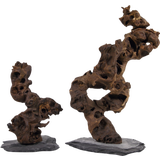
Olibetta Congo Tree on Slate, M
- Beautiful driftwood - real wood!
- For freshwater aquariums and terrariums
- Rich in fibre, important for catfish and invertebrates
-
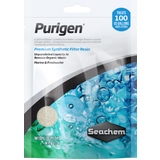
Seachem Purigen, 100 ml
- Synthetic adsorbent
- Removes harmful compounds
- For freshwater and saltwater aquariums
Magazine Articles:
Discover Olibetta:
-
Great Britain: Free standard delivery from £69.90
-
Free
returns -
We operate in a
climate-conscious manner. Secure payments
with SSL encryption technology