
Float Glass Aquariums - The proven, robust classic for your underwater world
Robust and durable aquariums & complete sets made from traditional, high-quality glass
Aquariums made from high-quality float glass offer the perfect balance of excellent stability, scratch resistance and outstanding value for money. The special manufacturing process creates perfectly flat surfaces and a distortion-free view of aquatic life and plants in your aquarium.
Float Glass Aquariums: 12 items
-
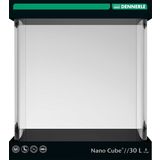
-
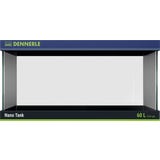
Dennerle Nano Tank, 60 L
- High-quality float glass
- Seamless panoramic view
- Including accessories for the start
-
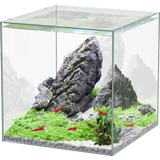
-
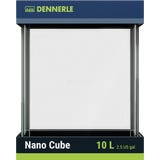
Dennerle Nano Cube, 10 L
- Panoramic view without hard edges
- Compact design for any location
- Maximum freedom when setting up
-
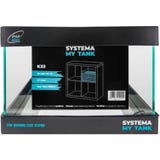
me Aquaristic Me My Tank Systema K33 27L (33x38x22 cm) incl. 5mm 1Slider
- Sliding glass cover
- Flexible nano-aquarium concept
- Clean, modern design
-
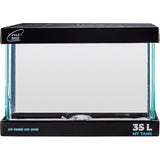
me Aquaristic Me My Tank 35 L Glass Tank
- Curved edgeless front
- Brilliant, high-quality glass
- Ideal for detailed scaping
-
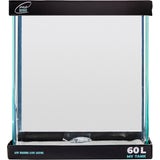
me Aquaristic Me My Tank 60 L Glass Tank
- Curved edgeless front
- Brilliant, high-quality glass
- Ideal for detailed scaping
-
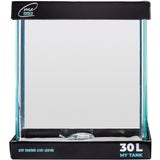
me Aquaristic Me My Tank 30 L Glass Tank
- Curved edgeless front
- Brilliant, high-quality glass
- Ideal for detailed scaping
-
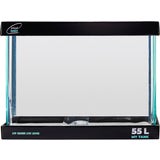
me Aquaristic Me My Tank 55 L Glass Tank
- Curved edgeless front
- Brilliant, high-quality glass
- Ideal for detailed scaping
-
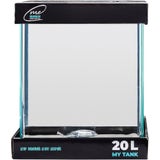
me Aquaristic Me My Tank 20 L Glass Tank
- Curved edgeless front
- Brilliant, high-quality glass
- Ideal for detailed scaping
-
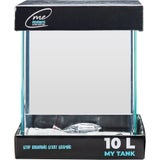
me Aquaristic Me My Tank 10 L Glass Tank
- Curved edgeless front
- Brilliant, high-quality glass
- Ideal for detailed scaping
-
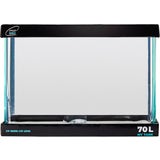
me Aquaristic Me My Tank 70 L Glass Tank
- Curved edgeless front
- Brilliant, high-quality glass
- Ideal for detailed scaping
What is float glass, and why is it used for aquariums?
Float glass is the global standard in aquarium construction. It is made by floating molten glass on a layer of molten tin, which creates a smooth and uniform surface. This manufacturing process creates extremely flat, even glass that is free from bubbles and distortion, with excellent surface hardness. It is highly resistant to scratches, such as those caused by magnetic cleaners, and offers a safe and stable structure for many years.
What is the difference between float glass and clear glass?
The main difference lies in the iron oxide content of the glass. Float glass has a natural, very slight green tint, which is most noticeable along the glass edges or in very thick panes. In reality, this slight tint is barely noticeable in classic community aquariums and densely planted tanks. Clear glass, by contrast, is specially decolourised for maximum colour accuracy, but is also somewhat softer, more prone to scratching and more expensive than robust float glass.
At what tank size should I start considering the thickness of float glass?
There is no need to worry about glass thickness vs aquarium size because quality manufacturers take this into consideration when designing an aquarium. The thickness of the glass is calculated based on structural requirements and the DIN standard for aquarium construction. While small nano cubes often use float glass with a thickness of 4-5 mm, the pane thickness automatically increases to 6-8 mm or more for larger or deeper tanks, allowing them to withstand water pressure with ease.
Magazine Articles:
Discover Olibetta:
-
Great Britain: Free standard delivery from £69.90
-
Free
returns -
We operate in a
climate-conscious manner. Secure payments
with SSL encryption technology